

Screening isn't a diagnosis
Questionnaire results help assess symptoms and dynamics, but shouldn't be presented as a clinical diagnosis.

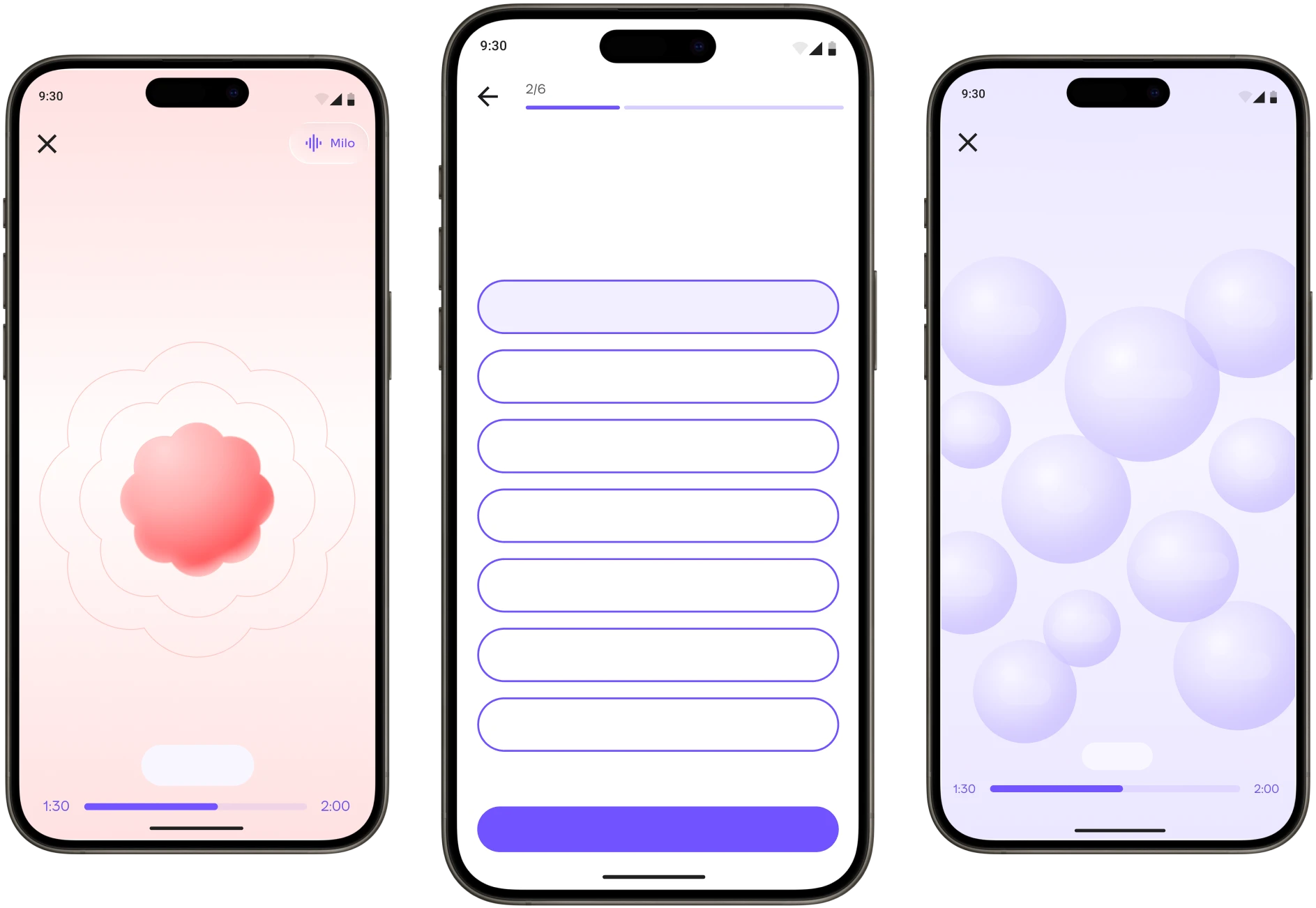
Scarb combines validated psychometric tools, regular state tracking, evidence-based support practices, and Stepped Care logic – turning complex methodology into a simple experience on your phone
Take a breath
Deep, through your nose
Cycle 1 of 5
After work I feel like a "squeezed lemon."
Never
Very rarely
Rarely
Sometimes
Often
Very often
Every day
Continue
Pop the bubbles
Breathe out
Loneliness
Anger
Irritation
Shame
Sadness
Guilt
Confusion
Anxiety
Melancholy
Hopelessness
Fear
Cycle 1 of 5
No need to take our word for it. See how our approach works
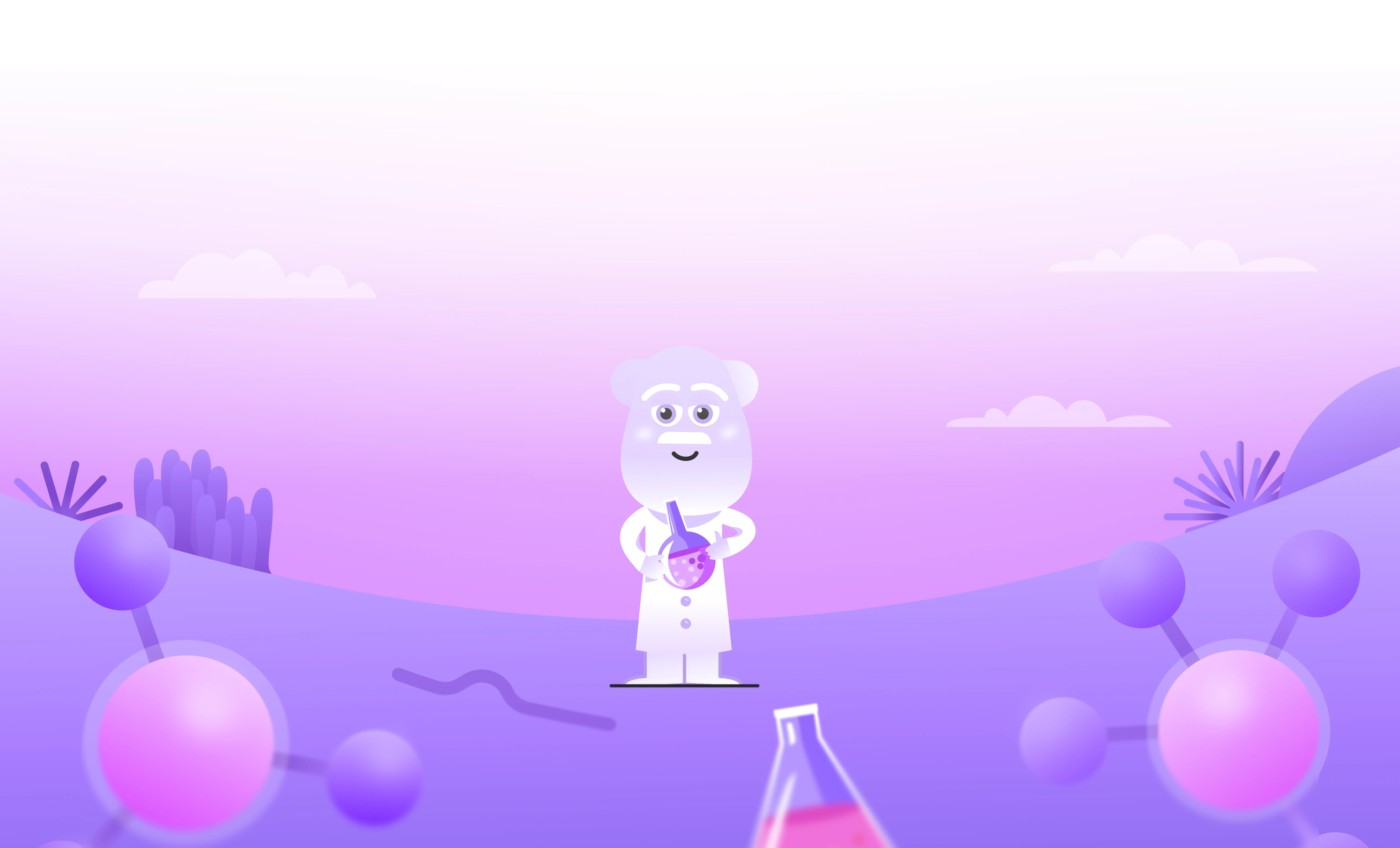
At Scarb, our approach can be summed up in three words: understand, observe, support
Step 1 · Understand the state
Scarb uses validated psychometric tools to assess different aspects of mental health.
Examples
GAD-7:
For assessing anxiety symptoms
PHQ-9:
For assessing depressive symptoms
Scarb doesn't try to guess your state:
For understanding the level of professional burnout
Scarb doesn't try to guess your state.
Step 2 · See the changes
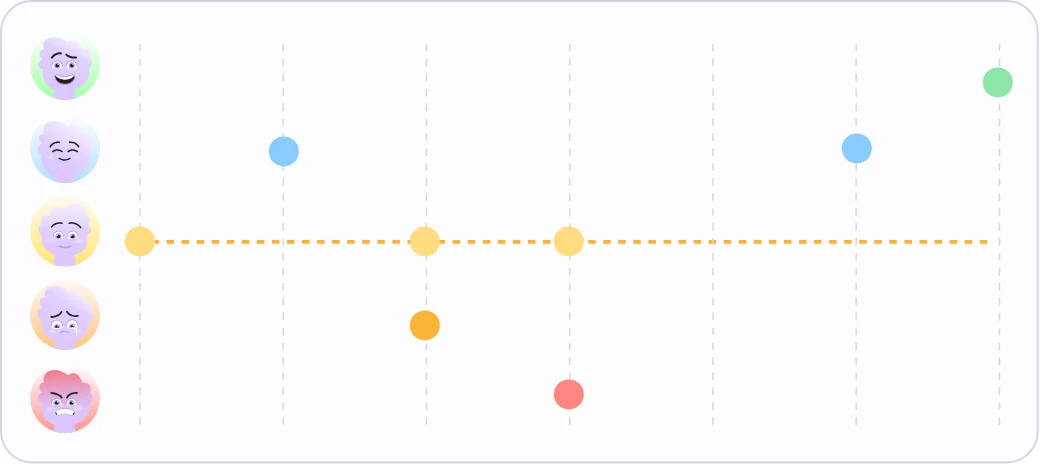
A person's state changes over time. That's why Scarb uses short, regular check-ins to see change over time, not just a single point.
Ecological Momentary Assessment – EMA
An approach that lets you regularly capture information about a person's state close to the moment they experience it.
Step 3 · Choose the next step
Scarb uses Stepped Care logic: the next step depends on the person's state and needs.
1. Self-support
More structured programs and personal tools
2. More support
More structured programs and personal tools
3. A specialist, when needed
Professional support where digital tools aren't enough
Understand → Observe → Support
The scientific logic stays inside the system. The person gets a clear next step.
Our job is to take an approach with a scientific foundation and turn it into a simple action a person will actually want to and be able to do
Scientific base
The R&D team works with scientific literature, psychometric tools, and psychological support methods
Suitable for anxiety
Not for acute stress
Short and safe
Selection
Not every technique suits every person in every state
"Cognitive restructuring via structured self-monitoring protocol..."
3 simple steps
Adaptation
We remove complex professional language and keep a clear sequence of steps

Done! That only took 2 minutes

Scarb
A short exercise, Milo, gamification, personal context
State distribution
30 daysStable state
67%
Increased anxiety
33%
Dynamics
Each exercise is another data point in the overall picture of a person's state.
We continuously check how people use Scarb, how their state changes, and which tools work best in different situations.
We track changes in users' state over time, results of repeated assessments and regular check-ins.
We check which exercises, scenarios, and support formats work best for different needs.
The R&D team analyzes the results and checks where the methodology or product needs improvement.
We change the recommendation logic, exercises, interaction formats, and personalization based on the data collected and the growing scientific base.
We also research the effectiveness of our own digital approaches
The Scarb team conducts research on digital mental health support. The results of this work are being prepared for scientific publication.
Scarb's scientific direction is developed by the R&D team together with Ukrainian and international experts in psychology and psychiatry.

Head of R&D
Responsible for Scarb's scientific direction, methodology development, selecting approaches, and the team's research work.

Scientific Advisor

Scientific Advisor

Scientific Advisor

Scientific Advisor
Scarb helps you better understand your state, track its dynamics, and find the right next step. But a digital product has its limits.
Questionnaire results help assess symptoms and dynamics, but shouldn't be presented as a clinical diagnosis.
A person's state changes. That's why Scarb looks at dynamics instead of drawing conclusions from a single day.
Milo can help structure your thoughts, explain an exercise, or suggest a next step, but it doesn't replace a psychologist or doctor.
Digital tools can be part of the support, but shouldn't replace professional help where it's necessary.
We can show in more detail which principles, psychometric tools, and approaches Scarb uses and how they're integrated into the product.
If your company, psychologists, or research team needs a more detailed explanation of Scarb's methodology, we can provide separate materials.
GAD-7
For assessing anxiety symptoms
PHQ-9
For assessing depressive symptoms
Burnout assessment
For assessing professional burnout
Stepped Care
Matching the support level to individual needs
EMA
Regular monitoring of a person's state